Tell me: What's the difference between AirTags & GeoTag?
Using AirTags to track high-value A/V gear? Discover the 5 key differences between Apple AirTag and GeoTag for professional asset protection.

Lisa Stafford
1) How they connect to location services?
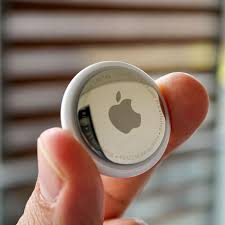
The first major difference is how they connect. Apple AirTag relies on nearby Apple devices to update its location through the Find My network. If no iPhones are within Bluetooth range, it cannot report its position. This works well in busy cities, but becomes unreliable in warehouses, rural festival sites, freight transit, or international touring routes. GeoTag uses GPS combined with 2G/4G IoT connectivity. It does not depend on random nearby phones. It captures location at set intervals and transmits it directly, giving professionals predictable coverage wherever mobile signal exists.
2) What have they been designed for?
The second difference is what they were designed for. AirTag was built for everyday consumer use - keys, wallets, bags. It is small, lightweight, and easy to attach. Professional A/V equipment is different. It moves across borders, through multiple hands, and often carries significant financial value. GeoTag is designed specifically for high-value electronics and can be integrated into the product itself. This makes it more secure and better suited to professional asset environments rather than personal item recovery.
3) How easily are they detected?
The third difference is anti-stalking technology. AirTag includes safety features that alert nearby iPhone users if an unknown tracker is moving with them. This is essential for consumer protection. However, in a theft scenario, this feature can work against equipment owners. If stolen gear contains an AirTag, the person carrying it may receive a notification and remove the tracker quickly. GeoTag is not a consumer accessory tied to a personal Apple ID. It is built for discreet professional asset monitoring, reducing the risk of easy detection and removal.
4) How are multiple users and assets managed?
The fourth difference is account structure and management. AirTags are linked to individual Apple IDs. Managing multiple trackers across departments, rental fleets, or international partners becomes complicated. Professional equipment often changes hands between manufacturers, distributors, rental companies, and end users. GeoTag connects to TAZAAR’s Digital Product Passport system, enabling lifecycle logging, ownership records, servicing history, and controlled stakeholder access. This supports structured asset management rather than individual tracking.
5) How easy is it to see location history?
The fifth and most critical difference is visibility over time. AirTag typically shows where an item was last detected. It does not provide continuous route replay, movement history, or detailed tracking intervals. For high-value A/V equipment, knowing where something was last seen is not enough. GeoTag provides near real-time tracking, replayable timestamped location history, route and speed data, and geofence alerts. This level of visibility supports insurance validation, theft investigation, and operational control - all essential in professional environments.
In short, AirTag is an excellent consumer tracker. GeoTag is built for professional asset protection. For high-value A/V equipment, the difference matters.